Botulinum toxin treatments are among the most widely performed aesthetic procedures worldwide. Often referred to as “Botox”, these treatments are commonly used to soften dynamic lines and reduce excessive muscle movement in carefully selected areas of the face.
Although the treatment itself is widely known, many people are unsure how botulinum toxin actually works beneath the skin.

What are dynamic lines?
Dynamic lines are wrinkles that form through repeated facial movement over time.
Common examples include:
forehead lines
frown lines
crow’s feet
These lines develop as facial muscles repeatedly contract during expression, gradually creating visible creasing within the skin.
Over time, dynamic lines may begin to remain visible even when the face is at rest.
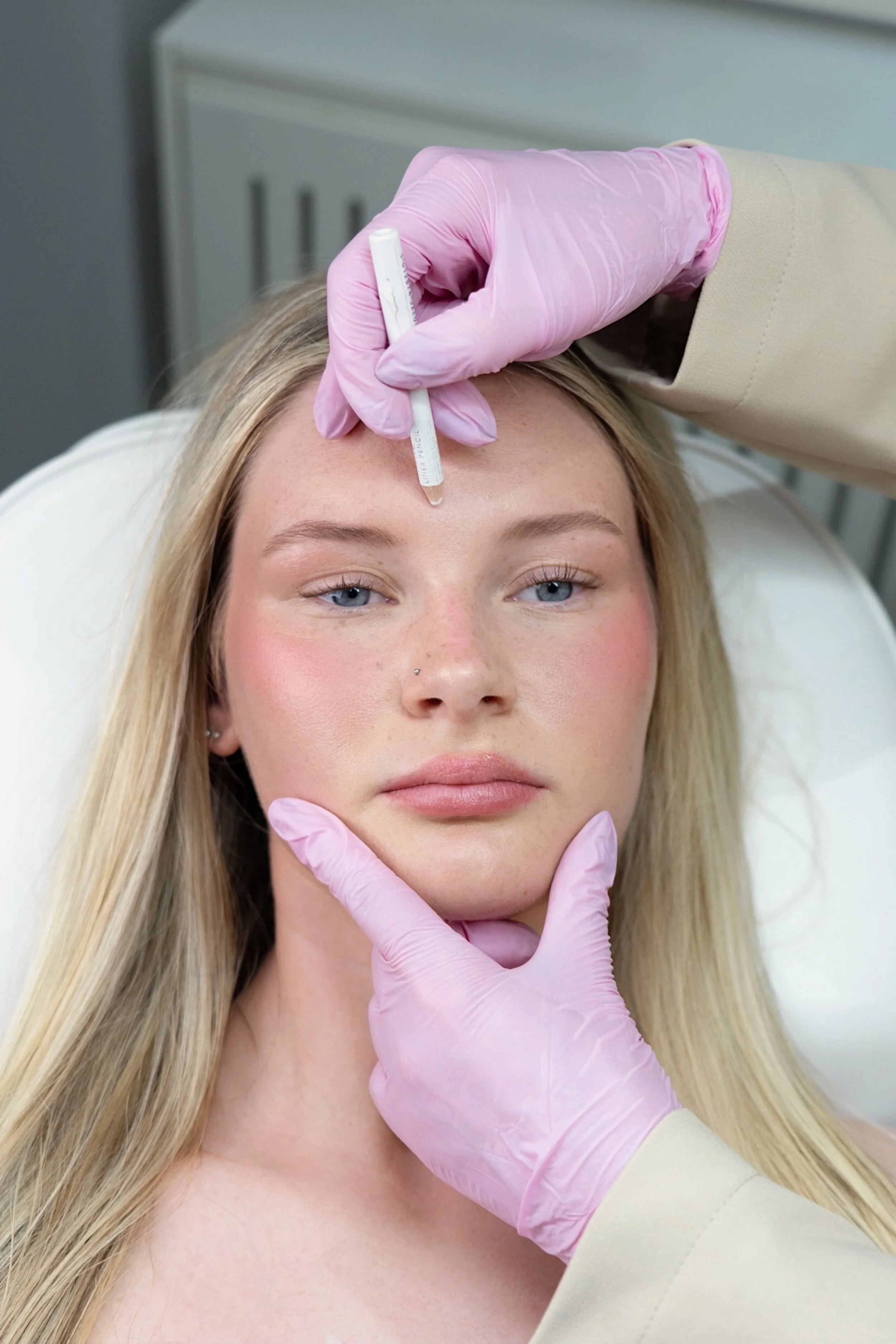
How does botulinum toxin work?
Botulinum toxin works by temporarily reducing communication between the nerve and the targeted muscle.
When carefully administered into specific muscles, the treatment reduces the strength of muscle contraction in that area. This helps soften repetitive movement that contributes to wrinkle formation.
The result is typically a smoother and more refreshed appearance while still maintaining natural facial expression when treatment is approached appropriately.
Why facial anatomy matters
Botulinum toxin treatment is highly technique-dependent.
Every face differs in:
muscle strength
facial anatomy
asymmetry
movement patterns
This is why treatment should never be approached as a “one-size-fits-all” procedure.
A detailed facial assessment allows treatment to be tailored carefully to the individual face, helping achieve results that look balanced and natural rather than heavy or frozen.
Why results vary from person to person
One of the most common questions in aesthetics is:
“Why does treatment last longer for some people than others?”
The answer is complex, as multiple factors can influence longevity, including:
muscle strength
metabolism
dosage and placement
lifestyle factors
exercise levels
individual biological response
Some clients naturally metabolise treatments more quickly than others.
Modern aesthetics focuses on natural movement
Modern approaches to botulinum toxin treatment have shifted significantly over time.
Rather than completely eliminating movement, many clients now prefer softer, more natural-looking results that preserve facial expression while reducing excessive muscle activity.
The goal is often to create a refreshed appearance without making treatment obvious.
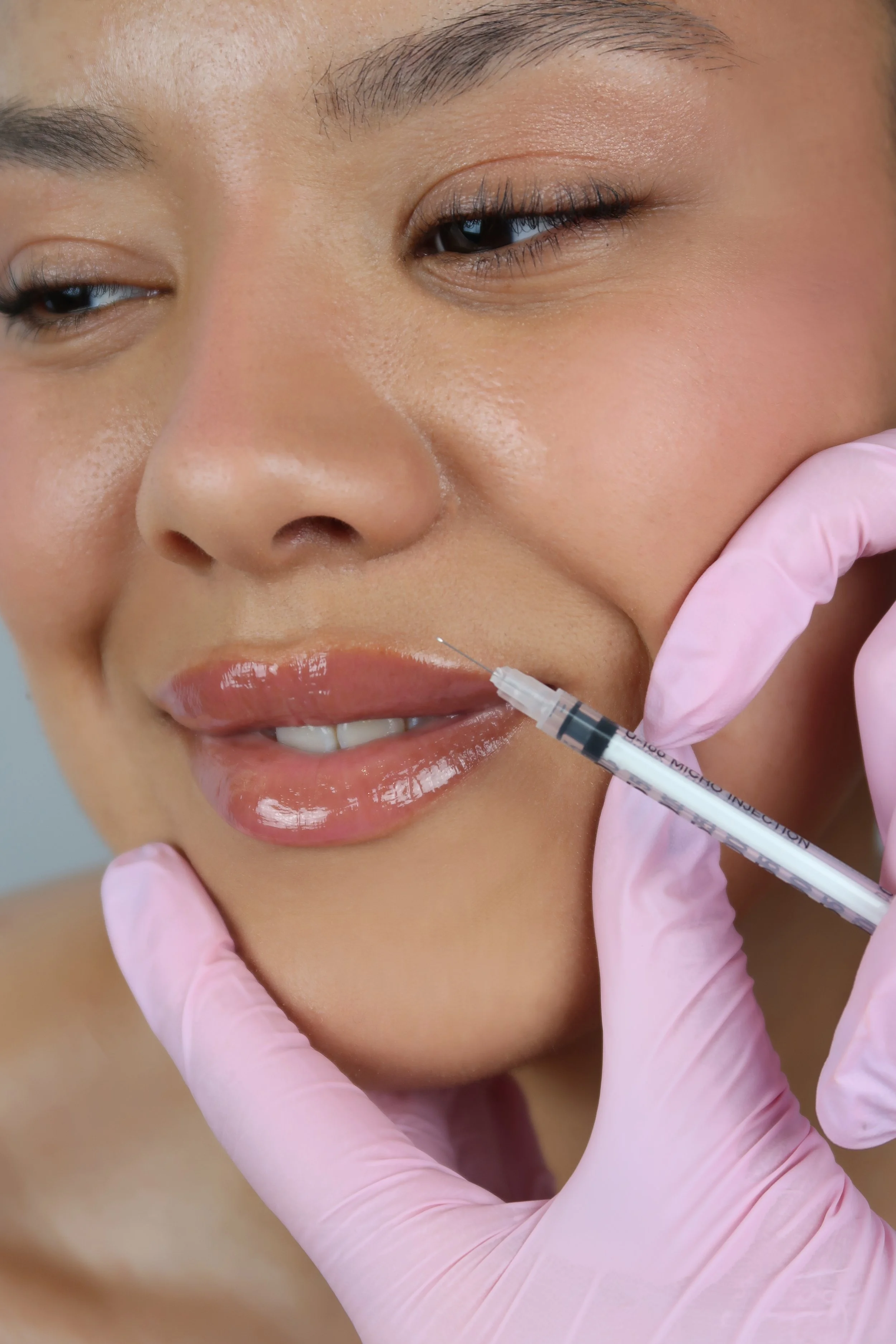
Botulinum toxin is not only about wrinkles
In aesthetics, botulinum toxin may also be used in carefully selected cases to help:
soften excessive jaw tension
improve facial balance
reduce downward pull in certain muscles
create subtle lifting effects
Treatment suitability always depends on individual anatomy and assessment.
The importance of consultation
Successful aesthetic treatment is not simply about the product itself, but about:
assessment
anatomy
precision
long-term planning
A personalised consultation helps determine whether treatment is suitable and what approach is most appropriate for your individual features and goals.
Final thoughts
Botulinum toxin treatments remain one of the most researched and widely performed aesthetic procedures worldwide.
When approached carefully, with a strong understanding of facial anatomy and movement, treatment can create subtle, balanced, and natural-looking results.
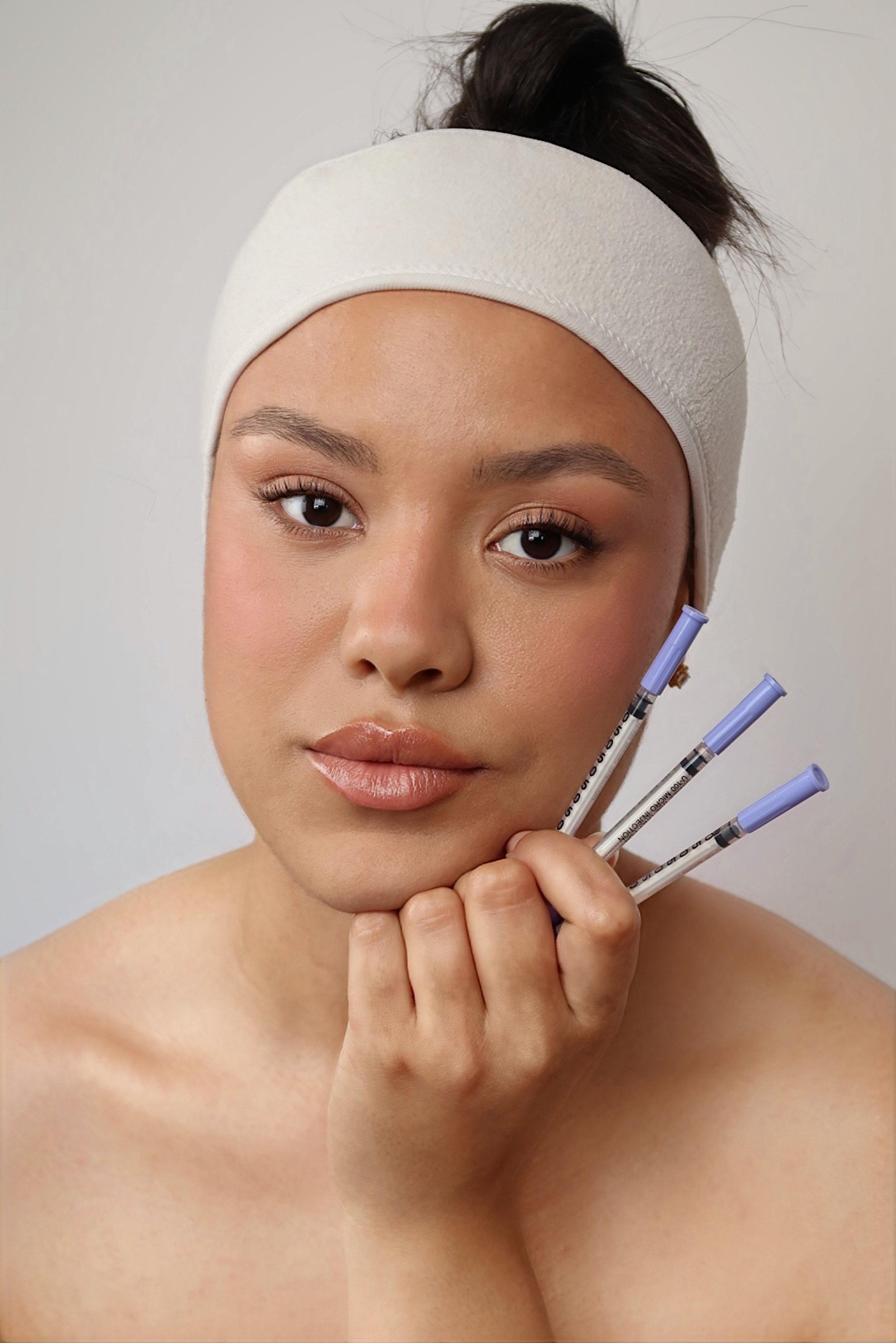
Considering treatment?
Consultations are available at Urban Aesthetics to discuss whether wrinkle-relaxing treatments may be suitable for your individual concerns and aesthetic goals.